
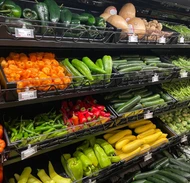
Earning Shopper Trust Starts in the Produce Section
Oct 26th 2026
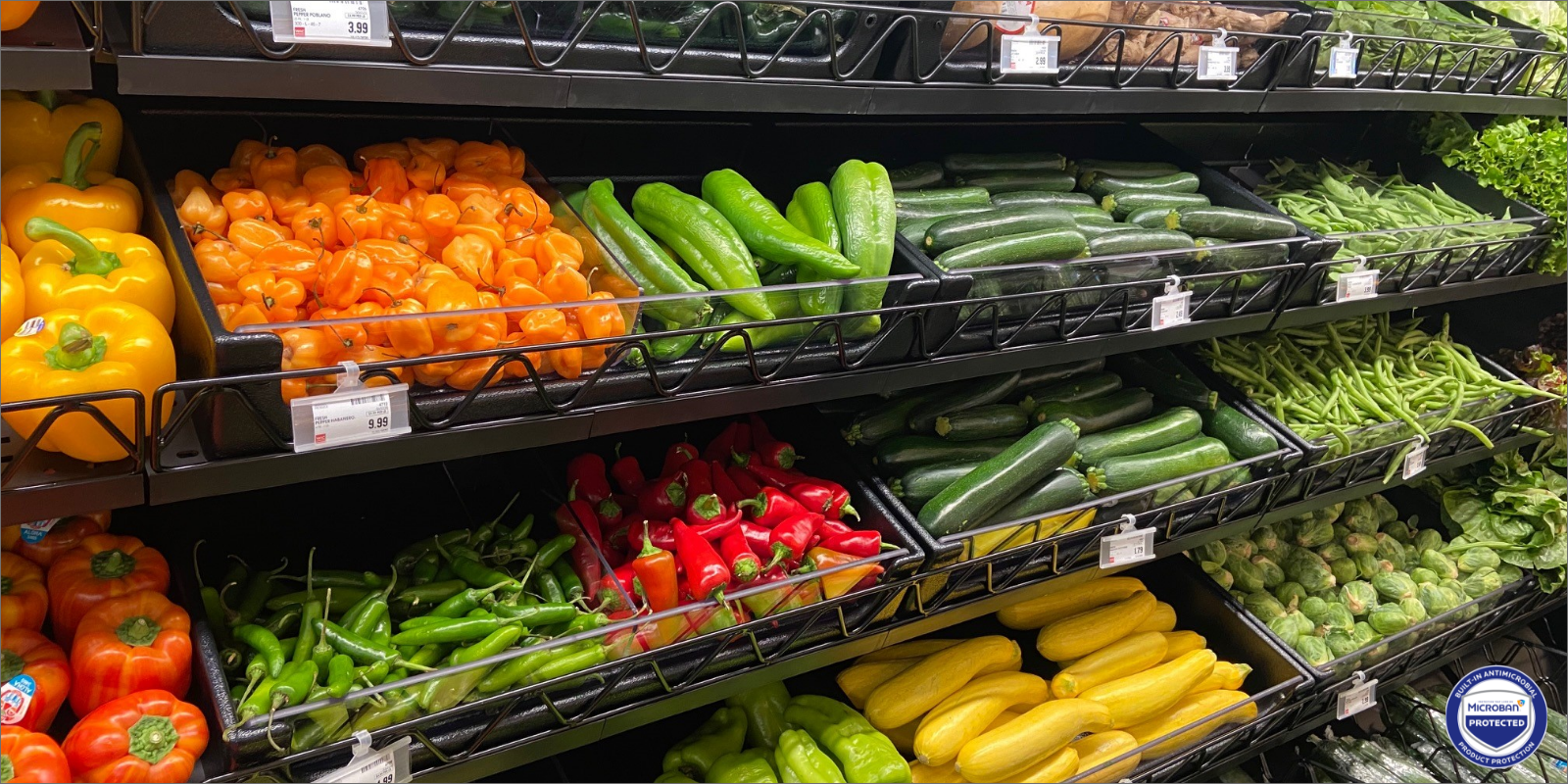
Shoppers decide whether to trust a grocery store largely by what they see in fresh. In Logile's 2026 State of Fresh Grocery Shopping Report, based on a March survey of 1,000 U.S. consumers, 91% said fresh departments are highly influential in whether they trust a store. Seventy-eight percent said they have switched stores because another store's fresh departments looked better.
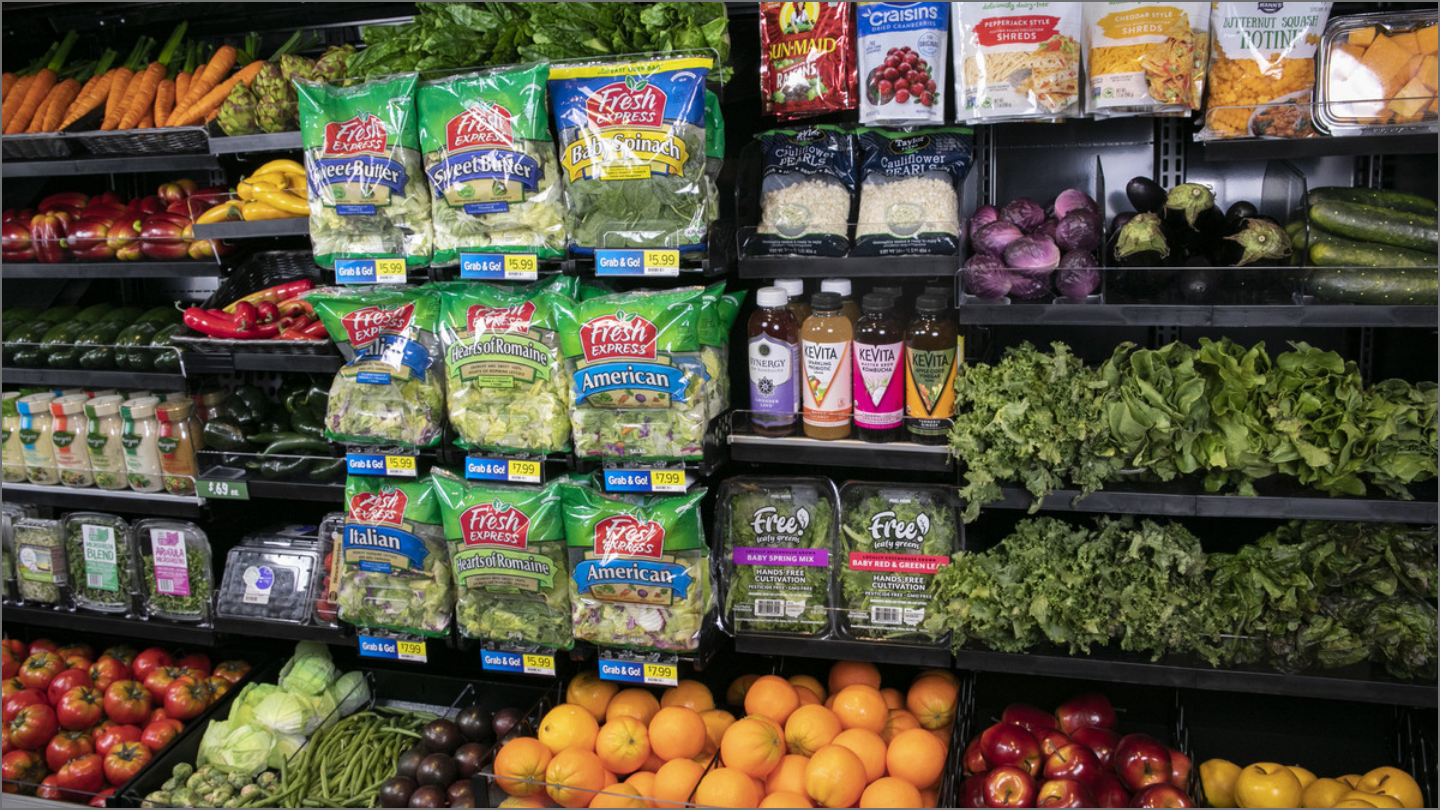
Produce sits at the center of that judgment. It is usually the first department a shopper walks through, and 85% of respondents said the appearance of produce matters in what they buy. That makes the produce section the place where trust is built, and also the place where it is lost fastest.
9 in 10 shoppers say fresh departments drive trust
Share of 1,000 U.S. consumers surveyed, March 2026
What shoppers read as trust
Shoppers rarely see a store's food safety program, cold chain or sanitation log. They judge those things by proxy, from what is in front of them:
Fullness
A well-stocked display signals that product is moving and the store is paying attention.
Freshness
Firm, bright, undamaged product suggests short time on the shelf and careful handling.
Cleanliness
Clean fixtures, liners and case floors tell shoppers the department is maintained, not just restocked.
Order
Faced, rotated product and a consistent set look managed. Picked-over piles look neglected.
of consumers say a store with plenty of fresh produce makes them more inclined to return.
These cues carry weight beyond produce. Logile found that 84% of shoppers say a poorly maintained produce or fresh section affects their view of the entire store. When two stores are equally convenient, 46% said they would choose the one with better fresh departments, compared with 40% who would choose lower prices.
Better fresh beats lower prices
When two stores are equally convenient, which would shoppers choose?
How trust erodes
Trust in produce rarely breaks in one moment. It wears down through small signals that repeat.
Empty or roped-off displays
A case cleared for cleaning during shopping hours looks the same to a shopper as an out-of-stock. Either way, the item they came for isn't there, and the department looks unprepared.
Dirty fixtures
Debris on wire racking, stained liners and standing water on case floors suggest the department is restocked but not maintained. Shoppers notice that kind of neglect.
Aging product
Overloaded displays sell down slowly, so product sits longer and loses quality on the shelf. In a recent column for The Packer, produce veteran Armand Lobato argued that slow inventory turn costs stores shopper trust, and that winning that confidence back takes time and money. He also noted that few customers bother to return spoiled produce. They simply conclude the store's produce is poor, and that doubt spreads to its other perishables.
Shoppers rarely return spoiled produce. They just stop trusting the store.
After Armand Lobato, The Packer
None of these failures shows up as a complaint. It shows up as a shopper who quietly buys their produce somewhere else.
Rebuilding trust, one display at a time
Stores win shoppers back by making the right signals consistent: full, fresh, clean and orderly, every time someone walks through. That depends less on a single reset than on fixtures and routines that make good conditions easy to hold.
Keep displays selling during cleaning
ModoShelf's removable ABS tiles sit on a stainless steel frame that stays in place, so only the section being cleaned comes off the floor. With spare tiles on hand, an associate swaps a clean tile in, restocks right away and sends the used tiles to the dishwasher off the sales floor. Shoppers see a full display instead of a roped-off case.
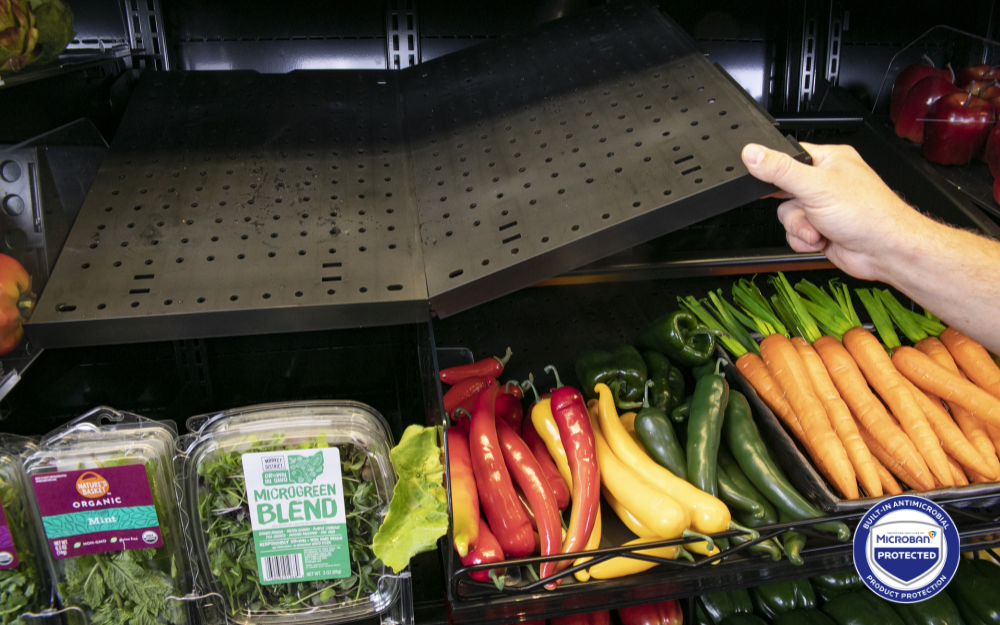
- 1. Lift the used tile off the frame
- 2. Drop in a clean spare tile
- 3. Restock right away & Wash the used tile off the sales floor
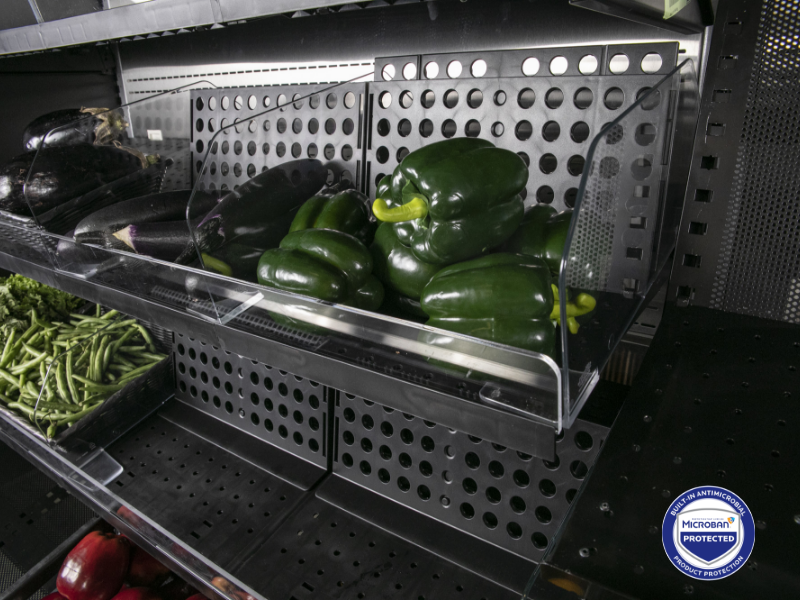
Hold the right amount of product forward
ModoShelf Inventory Blockers create a defined product area on the shelf. Associates stock a set amount, held forward where shoppers can reach it, and the display still reads as full. Smaller, faster-turning displays keep product fresher and support consistent rotation.
Make cleaning easy enough to stay on schedule
Siffron reports that ModoShelf cuts cleaning time in half. The fixture has no fasteners to trap debris, and it is NSF-listed. When cleaning no longer means shutting down a display for hours, teams can stay on their cleaning schedule instead of saving it for a late shift.
less time spent cleaning produce displays
NSF-listed, with no fasteners to trap debris
Help surfaces stay cleaner between cleanings
ModoShelf tiles are made with Microban® antimicrobial technology built into the material. It inhibits the growth of bacteria, mold and mildew that cause stains, odors and deterioration on the tile surface, and it won't wash off. It supports a store's sanitation program but doesn't replace it.
Microban® antimicrobial product protection is limited to the product itself and is not designed to protect users of these products from disease-causing microorganisms, foodborne illness, or as a substitute for normal cleaning and hygiene practices. Microban® is a registered trademark of Microban Products Company.
What to track
Trust is hard to measure directly, but the conditions that build it are not. These measures give store and category teams a way to see whether the produce section is sending the right signals.
| Measure | What it shows | How to track it |
|---|---|---|
| Display downtime | Hours a display is empty or blocked for cleaning or resets | Log start and end times of each cleaning |
| Cleaning schedule compliance | Whether sanitation happens as planned | Completed versus scheduled cleanings per week |
| Produce shrink | Product lost to damage, aging and handling | Shrink as % of produce sales, against IFPA's 6% benchmark |
| On-shelf availability | How often shoppers find what they came for | Regular out-of-stock audits by display |
| Shopper perception | How customers rate freshness and cleanliness | Store surveys, reviews and comment cards |
Make the produce section the reason shoppers come back
Shoppers take what they see in produce as evidence of how the whole store is run. A department that stays full, fresh and clean, even while it is being cleaned, earns that trust every day. One that empties out or looks neglected spends it.
 Related reading The Hidden Cost of Produce Downtime What cleaning downtime costs in lost sales, labor and shrink
Sources
- The Shelby Report, “Survey: 91% Of Shoppers Say Fresh Departments Drive Trust In Grocery” (Logile 2026 State of Fresh Grocery Shopping Report), June 16, 2026
- Armand Lobato, “Why a Busy Store Often Means Better Produce,” The Packer, October 16, 2026
- Siffron, “New Survey Shows Consumers Want Fully Stocked Produce Sections,” December 2021
- IFPA, 2025 Produce Supermarket Benchmarks
- Siffron, ModoShelf
- Siffron, ModoShelf Inventory Blockers
- Siffron, “How to Optimize Your Produce Coolers for Cleaning,” November 22, 2023
- Microban, “ModoShelf: An Innovative Antimicrobial Shelving Solution by siffron and Microban”